

Blogs
Educational Articles by a Certified Nutritionist
Jackie Gowland
The Science of Fatty Acid Conversion in Dogs and Cats
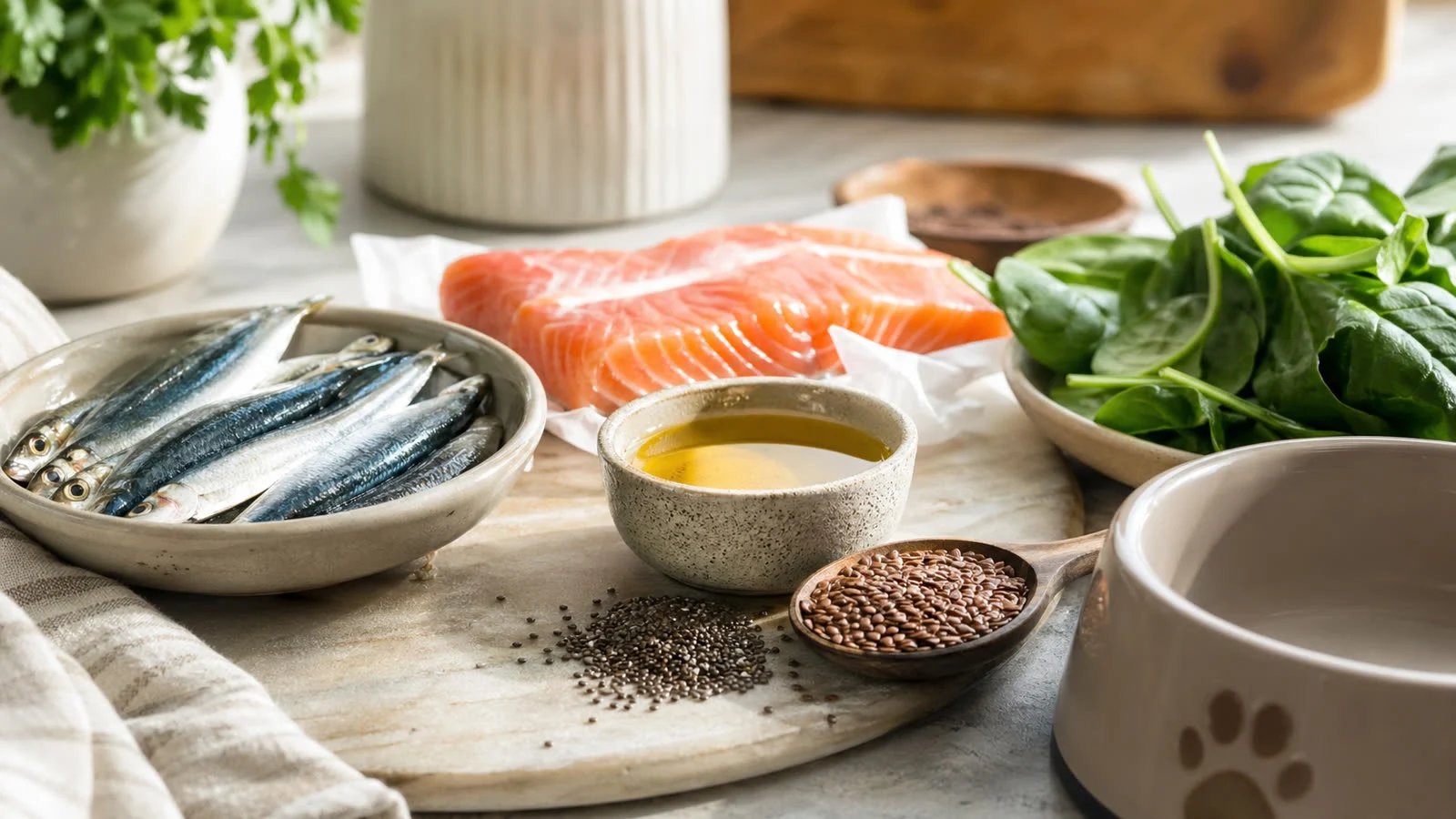
Fatty acids are essential nutrients for both dogs and cats, but not all fatty acids act the same way in the body. In animal nutrition, much attention is given to how efficiently certain plant-based fatty acids are converted into their biologically active forms. Two common examples are: Because these conversions are often inefficient, it is […]
Blogs
What I Now Do as a Canine Nutritionist that I Never Did as a Pet Parent
I use to look at a bag of dog food and see the colourful images, veterinary endorsement and the expensive price tag implying quality. When I would prepare meals, I would just see an ingredients list and not think much more of it. Since becoming a Canine Nutritionist, I really began to take the finer […]
Blogs
What I Now Do as a Canine Nutritionist that I Never Did as a Pet Parent
I use to look at a bag of dog food and see the colourful images, veterinary endorsement and the expensive price tag implying quality. When I would prepare meals, I would just see an ingredients list and not think much more of it. Since becoming a Canine Nutritionist, I really began to take the finer […]
Blogs
Fatty Acids and Inflammation in Dogs and Cats
Fatty acids play a critical role in the health of pets, but they also influence inflammation. Inflammation is not inherently harmful — it is part of the body’s natural immune defense — but when it becomes chronic, it can contribute to conditions such as skin disorders, “allergies,” joint discomfort, and arthritis. One of the key […]
Blogs
The Science of Fatty Acid Conversion in Dogs and Cats
Fatty acids are essential nutrients for both dogs and cats, but not all fatty acids act the same way in the body. In animal nutrition, much attention is given to how efficiently certain plant-based fatty acids are converted into their biologically active forms. Two common examples are: The conversion of alpha-linolenic acid (ALA, an omega-3) […]
Blogs
What’s Really in Your Dog’s Treats?
When choosing treats for our dogs, many of us rely on commercial brands without considering the ingredient list. Yet, a closer look reveals a striking difference between heavily processed treats and whole-food alternatives. Ingredients in Schmackos (Commercial Dog Treats) According to the packaging, Schmackos may contain: Meat from beef, lamb, sheep, and/or pork – often […]
BlogsCholesterol in Humans and Pets: Important Differences
It is widely believed that high cholesterol is linked to cardiovascular disease, arterial hardening, and stroke in humans. This association has strongly influenced public perception, and it is understandable that people often transfer these concerns to their companion animals. However, the physiology of dogs and cats differs significantly from that of humans. Cholesterol in pets […]
BlogsIntroduction to Omega-3 and Omega-6 Fatty Acids in Dogs
Omega fatty acids are essential components of canine health, forming key parts of cell membranes and playing vital roles in immunity, hormone production, and inflammation regulation. They can be broadly categorized into omega-3 and omega-6 fatty acids, each with unique roles and dietary sources. Omega-3 Fatty Acids Omega-3s are essential polyunsaturated fats that support brain […]
BlogsThe Importance of Staying Open-Minded in Animal Health and Nutrition
In a recent podcast discussion featuring Rick Rubin, Dr. Jack Kruse, and Andrew Huberman, a topic arose that, while unsurprising, is worth highlighting for anyone working in animal health and nutrition: the limitations of current scientific knowledge. Rick Rubin referenced a conversation with Dr. Edward Chang, chair of neurosurgery at UCSF: “What percentage of information […]
BlogsVitamin E in Homemade Dog Diets
Vitamin E is a fat-soluble, essential nutrient that plays a critical role in maintaining cellular health and supporting the immune system. With many home-prepared dog diets focusing on seeds, nuts, and organ meats, it’s important to understand how to incorporate vitamin E effectively. Why Vitamin E Matters Vitamin E acts as a powerful antioxidant, protecting […]
BlogsOmega-3 for Dogs: Alternatives to Fish and Shellfish
Omega-3 fatty acids are essential for maintaining brain health, cardiovascular function, skin and coat quality, and anti-inflammatory balance in dogs. Oily fish and shellfish are among the richest natural sources of these nutrients. However, not all dogs tolerate them due to allergies or sensitivities. Fortunately, there are alternative foods and supplements that provide omega-3s without […]
BlogsCholine for Dogs: Alternatives to Eggs
Eggs are one of the richest natural sources of choline, a vital nutrient for dogs. However, not all dogs tolerate eggs, and some may experience digestive upset, food sensitivities, or inflammatory responses when eggs are included in the diet. Fortunately, there are other whole food sources of choline that can be incorporated safely to ensure […]
BlogsNuts and Seeds for Dogs
Following on from the discussion about peanut butter for dogs, it is valuable to consider the broader role of nuts and seeds in a canine diet. Nut and seed butters can provide superior nutrition compared to peanut butter, offering a wider range of essential nutrients and health benefits. When prepared correctly, nuts and seeds supply […]
BlogsFood Intolerance in Cats: What Every Owner Needs to Know
Disclaimer: The following article is for educational purposes only and should not replace veterinary advice. If your cat shows signs of illness, always consult a qualified veterinarian. Introduction When we think about food sensitivities, most people think of dogs. But cats can also suffer from food intolerance and food allergies — and these conditions are […]
BlogsThe Dirt on Peanut Butter: Is It Really Safe for Dogs?
Disclaimer: This article is for educational purposes only and should not replace professional veterinary advice. Introduction Peanut butter has become one of the most common dog treats worldwide. It is spread inside puzzle toys, baked into commercial biscuits, and even used to hide tablets when medicating dogs. The popularity of peanut butter with dog owners […]
BlogsThe Critical Window: How Early Life Microbiota Shapes a Puppy’s Lifelong Health
Note: This article is for educational purposes only and is not a substitute for veterinary diagnosis or treatment. Introduction The first six months of a puppy’s life represent a critical developmental window during which the foundations for lifelong health are established. During this period, a puppy’s gut microbiota—the community of bacteria, fungi, and other microorganisms […]
BlogsCooking for Dogs: Understanding the Science and How to Do It Safely
Note: The following information is educational and is not a substitute for professional veterinary advice. Why Raw Feeders Often Avoid Cooking Many people remember a time when preparing meals for dogs meant boiling some meat with pasta and vegetables, perhaps with a bone given once a week as a treat. Today, both raw and cooked […]
BlogsDental Disease in Dogs: More Than Bad Breath
Note: This article is for educational purposes only and should not replace veterinary advice or treatment. Introduction Dental disease is one of the most common health problems in dogs, affecting an estimated 80% of dogs over the age of three. Despite its prevalence, it is often overlooked until obvious signs appear, such as bad breath, […]
BlogsPharmaceutical Medications and Nutrient Deficiencies in Animals
Note: This content is for educational purposes only and does not replace veterinary guidance. Always consult your veterinarian before adjusting diets or supplementing pets on long-term medication. Medication and Nutrition—An Often Overlooked Interaction Long-term use of veterinary pharmaceuticals is common, but it comes with risks—chief among them is nutrient depletion. Medications can impair absorption, increase […]
BlogsCalcium and Puppies: Why Getting the Balance Right Matters
Note: The following information is provided for educational purposes only and is not intended to replace veterinary advice. Always consult with a qualified veterinarian or canine nutritionist when planning your puppy’s diet. Why Calcium is Critical for Puppies Calcium is an essential mineral for growth and development, particularly in puppies under six months of age. […]
BlogsTherapeutic Diets and Renal Disease
Note: The following information is provided for educational purposes only and is not intended to diagnose or replace veterinary care. Always consult a qualified veterinarian or canine nutritionist before making dietary changes for your dog. Rethinking Conventional Renal Diets When a dog is diagnosed with chronic kidney disease (CKD), the standard veterinary recommendation is often […]
BlogsPsychedelic Medicine for Dogs: Exploring Possibilities, Ethics, and Science
Psychedelic medicine has become an area of growing interest in human health, with promising results in the treatment of depression, anxiety, post-traumatic stress disorder (PTSD), and in supporting personal growth. Substances such as psilocybin, MDMA, and ketamine are being investigated in controlled medical and therapeutic settings, showing potential to reshape entrenched patterns of thought and […]
BlogsVitamin D in Dogs and Cats: Why Diet Matters More Than Sunlight
Vitamin D is an essential nutrient for dogs and cats, playing a key role in bone strength, immune health, and overall wellbeing. Unlike humans, however, our pets cannot rely on sunlight to make enough vitamin D. Instead, they must obtain it almost entirely from their diet. This article explains how vitamin D works in dogs […]
BlogsConfidence, Fear, and Health: Understanding the Hidden Links in Dogs
Changes in behaviour can often be the first signs that a dog’s health is shifting. A once-bold dog that now hesitates to jump from the couch, avoids slippery floors, or becomes unsettled by everyday noises is not simply “slowing down” or “developing quirks.” Instead, these subtle behaviours may signal underlying discomfort, physiological imbalance, or pain. […]
BlogsBeats to Soothe the Beast: Music for Dogs
Sound is an integral component of a dog’s sensory environment. While humans often use music to regulate mood, focus, or relaxation, a growing body of scientific evidence indicates that auditory stimulation exerts a measurable influence on canine behaviour and welfare. Music, when carefully selected, can serve as a practical, non-invasive intervention to reduce anxiety and […]
BlogsThe Role of Diet, Inflammation, and Oxidative Stress in Pancreatitis
Pancreatitis in dogs is a serious and often debilitating condition that involves inflammation of the pancreas. While traditionally linked to dietary fat, recent evidence suggests that the underlying mechanisms are more complex, involving oxidative stress, inflammation, and nutritional imbalances. Understanding these processes provides dog owners and canine professionals with tools to help prevent and manage […]
BlogsGlyphosate in Pet Food
Glyphosate is a broad-spectrum systemic herbicide and crop desiccant, widely recognised as the active ingredient in the commercial weed killer Roundup. It is used in both large-scale agriculture and domestic gardening to control unwanted plants. Originally discovered in 1950 by Swiss chemist Dr. Henri Martin, glyphosate was initially not considered commercially valuable for pharmaceutical purposes […]
BlogsGut Health and Anxiety in Dogs: The Microbiome Connection
The canine microbiome is a complex community of microorganisms—including bacteria, fungi, viruses, and their genetic material—living in and on the body. Distinct microbiomes exist in the skin, nasal passages, oral cavity, urinary tract, and gastrointestinal tract.The gut microbiome plays a central role in digestion, nutrient absorption, maintaining the integrity of the intestinal barrier (epithelial cells […]
BlogsA Step-by-Step Approach to Addressing Canine Gut Dysbiosis
Canine gut dysbiosis refers to an imbalance in the gastrointestinal microbiome, often characterised by a reduction in beneficial bacteria, overgrowth of potentially harmful microorganisms, and reduced microbial diversity. This imbalance can impact digestion, nutrient absorption, immune function, skin health, and even behaviour.Addressing gut dysbiosis requires a structured, stepwise approach that considers both the dog and […]
BlogsThe Influence of Companion Animals on Emotional States
Some philosophical models, such as David Hawkins’ Map of Consciousness, propose that emotional and energetic states can be measured on a scale. In this framework, a dog’s wagging tail and a cat’s purr are said to “calibrate” at the level of unconditional love — a state Hawkins places at 500 on his scale. He suggested […]
BlogsNervous System Co-regulation
Co-regulation refers to the process in which the physiological and emotional state of one individual influences and is influenced by another. In the context of companion animals, this means that a pet owner’s emotional and physiological state can directly impact their animal’s stress and anxiety levels. Mechanism of Influence When a pet owner remains calm […]
BlogsMedicinal Mushrooms to Give to Your Dog
Medicinal mushrooms have been used in both human and veterinary medicine for their immunomodulatory, anti-inflammatory, and antioxidant properties. Their active compounds — including beta-glucans, polysaccharides, triterpenoids, and polyphenols — have been shown to influence gut microbiota composition, support immune regulation, and provide organ-protective effects. This guide outlines the most commonly used medicinal mushrooms in canine […]
BlogsMedicinal Mushrooms for Dogs
Medicinal mushrooms have been studied for their bioactive compounds and potential to support health in humans and animals. In canine nutrition and integrative veterinary care, they are primarily valued for their immunomodulatory, anti-inflammatory, and gut-supportive properties. When appropriately sourced and prepared, certain mushroom species may offer measurable health benefits in dogs. Key Physiological Benefits Mushrooms […]
BlogsRehydrating freeze dried dog food
Freeze-dried dog food is a convenient, shelf-stable option for providing raw nutrition. It is particularly useful during travel, in emergency situations, and for transitioning dogs from processed dry kibble to higher-protein, minimally processed diets. Freeze-drying removes approximately 95–99% of the food’s moisture content. While this preserves nutrients and extends shelf life, it also means the […]
BlogsFeeding Dogs Better: Three Foundational Rules
Improving a dog’s diet does not require an immediate complete overhaul. Incremental changes can provide measurable benefits to nutrient intake, digestion, and long-term health. Whether a dog is fed a fully commercial processed diet, a mixed diet, or a completely home-prepared plan, the following three principles apply. Rule 1: Include More Whole Foods, Reduce Processed […]
BlogsBenefits of Cooking Some Ingredients in a Raw Diet
A raw diet for dogs does not need to be composed entirely of uncooked ingredients. In some cases, cooking specific foods improves nutrient availability, reduces antinutrient activity, or prevents potential deficiencies. Understanding the biochemical and microbiological effects of cooking allows for more precise diet formulation. Eggs: Avidin and Biotin Balance The egg white (albumin) contains […]
Blogs“You Can’t Out Supplement a Bad Diet”
In recent years, interest in supplementing commercial dog food with superfoods, herbs, and nutraceuticals has grown significantly. While some functional ingredients offer therapeutic or preventative health benefits, they are not substitutes for a complete and well-balanced foundational diet. A properly formulated diet—comprised of species-appropriate, nutrient-dense whole foods—must be prioritised over isolated additives if optimal health […]
BlogsTypes of Vaccines
Vaccination remains a cornerstone of disease prevention in veterinary medicine. However, increasing concern around the frequency and type of vaccines administered has led to a reassessment of standard protocols, particularly in relation to over-vaccination and adverse effects. A scientific understanding of vaccine types and their immunological impacts is essential for informed decision-making. What Is a […]
BlogsEvaluating Vaccine Risks
Vaccination plays an essential role in the prevention of infectious diseases in dogs and cats. Core vaccines—those protecting against highly contagious and life-threatening diseases—are widely regarded as necessary for animal health. However, growing research suggests that the repeated administration of vaccines beyond what is needed for protective immunity may contribute to adverse effects, particularly when […]
BlogsVaccination for the Holistically Minded
Vaccination plays a key role in disease prevention in companion animals. However, concerns around over-vaccination and adverse reactions have led some pet owners, particularly those focused on holistic health, to seek a more measured approach. With current diagnostic tools and region-specific risk assessments, it is possible to make evidence-based decisions that reduce unnecessary interventions while […]
BlogsAdjustments When Feeding a Cooked Diet
Feeding a home-prepared, cooked diet is a viable alternative to raw feeding. It can provide similar health benefits when properly balanced and adjusted for the nutritional changes that occur during cooking. However, the cooking process alters several nutritional components, and understanding these changes is essential to maintain dietary adequacy. Below are key considerations and necessary […]
BlogsCooked or Raw?
With the growing popularity of raw feeding, many dog owners are questioning whether a cooked whole food diet remains a valid option. The short answer is yes. A properly balanced cooked diet based on unprocessed ingredients can be a biologically appropriate and nutritionally sound choice, particularly when raw feeding is not feasible due to health, […]
BlogsMeditating with Pets
Meditation is increasingly recognised for its positive impact on physical and emotional health. While commonly practised for human well-being, it also has potential benefits for animals—particularly those closely bonded with their guardians, such as dogs and cats. This practice, which involves meditating in the presence of your pet, may offer mutual support to both species […]
BlogsReflux Basics
Repetitive swallowing, lip licking, air licking, and burping can indicate that a dog is experiencing gastroesophageal reflux (GER), also known as acid reflux. This condition occurs when stomach acid moves backward into the esophagus, irritating the tissue and causing discomfort or inflammation. In dogs, acid reflux is multifactorial and may involve diet, digestive function, stress, […]
BlogsThe Home Environment & Companion Animal Health
The home environment plays a critical role in the physical and emotional health of companion animals. Increasing evidence shows that a dog or cat’s immediate surroundings—including air quality, human-animal interactions, noise, and chemical exposure—can influence the development or progression of conditions such as anxiety, dermatitis, gastrointestinal dysbiosis, obesity, and immune dysfunction. Environmental stressors affect physiological […]
BlogsCanine Cancer: What the Numbers Tell Us
Cancer is now one of the leading causes of death in dogs globally. As dogs live longer and veterinary diagnostics improve, we are detecting cancer more frequently across all major regions. Current Risk of Canine Cancer (2024–2025) Around 1 in 3 dogs will develop cancer during their lifetime. Annual incidence of malignant tumors is estimated […]
BlogsRethinking Health & Prevention
For decades, canine health management has followed a standardised, convenience-based model: feed a commercial dry food, administer annual vaccine boosters, provide monthly flea and worm treatments, and take the dog for walks when time permits. While this approach was developed with practicality in mind, it does not reflect the growing body of evidence in veterinary […]
BlogsCanine’s Canines:
A dog’s dental anatomy offers valuable insight into what they are biologically designed to eat. One of the most telling features is the structure and function of the carnassial teeth—the large, shearing teeth located towards the back of the mouth. These teeth evolved specifically for processing animal tissue, not plant matter or dry, heavily processed […]
BlogsSkin Issues and Root Cause
Beyond Symptom Relief Skin problems are among the most common reasons dogs visit veterinarians. The skin serves as an important external indicator of internal health, reflecting not only surface conditions but also systemic imbalances. Chronic or recurring skin issues in dogs often point to underlying health concerns such as nutritional deficiencies, immune dysregulation, digestive disorders, […]
BlogsOur Dogs Are Our Mirrors
A Reflection of Shared Energy Have you ever noticed how, over time, dogs often begin to resemble their owners—not just in daily routines, but in temperament, habits, and even emotional states? As many dog guardians observe, the longer we live with our dogs, the more they seem to reflect our inner world. This phenomenon is […]
Blogs80/10/10 Raw Diets and Defficiencies
A common misconception in raw feeding is that a diet composed of 80% muscle meat, 10% bone, and 10% organs is sufficient to meet a dog’s full nutritional requirements. While this model provides a macronutrient distribution that closely mimics prey-based feeding, it is nutritionally incomplete without additional components. Dogs fed such a diet long-term without […]
BlogsIntroducing New Foods as Part of an Elimination Diet Protocol
Reintroducing Foods & Building a Long-Term Balanced Diet Following a successful elimination diet, the next phase is systematic food reintroduction. This process identifies which ingredients can be safely included in the dog’s long-term diet and which are likely to trigger adverse food reactions (AFRs), such as skin irritation, gastrointestinal issues, or ear infections. When to […]
BlogsConducting Elimination Diet Trials
Implementing a Raw or Cooked Elimination DietOnce a food elimination trial has been deemed appropriate, the next step is to implement a controlled, simplified diet using novel ingredients. This strategy aims to identify potential dietary triggers while supporting the dog’s overall health. Goals of an Elimination Diet Remove all suspected dietary allergens Minimise inflammatory responses […]
BlogsInitial Understandings for Elimination Diets
Understanding the Role of Diet in Allergic Skin Disease Food elimination diet trials are a valuable diagnostic and management tool in dogs suffering from chronic skin or gastrointestinal conditions. These trials are often recommended when a dog presents with signs suggestive of food intolerance or allergic skin disease. What is Allergic Skin Disease? Allergic skin […]
BlogsDo Dogs Really Love Us Back? Science Says…
Ever wonder just how much your dog really loves you? A recent study might just warm your heart—and possibly raise your dog’s too! In 2023, a UK-based team from Canine Cottages decided to explore this age-old question with a playful experiment. They fitted four dogs with heart rate monitors to track how their hearts responded […]
BlogsDogs go whacko for Smacko’s
Dogs go whacko for Smacko’s, but should we be prioritising these over other treats? Commercial dog treats are widely marketed as palatable and convenient options for pet owners, yet many contain highly processed ingredients of questionable nutritional value. This article evaluates the formulation of a popular commercial treat—Smacko’s—by examining its ingredient list in comparison with […]
BlogsSardines, Mackerel, and Salmon
Incorporating oily fish into a canine diet provides critical long-chain omega-3 fatty acids (EPA and DHA) and essential micronutrients such as vitamin D and selenium. While all three—sardines, mackerel, and salmon—offer nutritional value, sardines and mackerel are generally more appropriate for routine inclusion in canine diets, with salmon recommended as an occasional addition due to […]
BlogsCannabidiol (CBD) Use in Dogs
Cannabidiol (CBD), a non-psychoactive compound derived from Cannabis sativa, is increasingly explored in veterinary medicine due to its therapeutic potential. Unlike THC (Δ9-tetrahydrocannabinol), CBD does not cause intoxication and is generally considered safer for use in animals. However, both compounds may exert pharmacological effects of interest in veterinary care. Emerging research suggests that CBD may […]
BlogsGarlic as a Functional Component in Canine Diets
Garlic (Allium sativum) is one of the most debated dietary inclusions for dogs. While widely used in traditional and holistic animal health practices for its purported antimicrobial and cardiovascular benefits, garlic is also associated with dose-dependent hematological risks—most notably Heinz body anemia. Understanding the distinction between therapeutic and toxic dosages is essential for practitioners, nutritionists, […]
BlogsCats: Understanding Species-Appropriate Feeding for Obligate Carnivores
Cats are notoriously selective eaters, and transitioning them to a raw, species-appropriate diet can present challenges for many guardians. This difficulty is compounded by the highly palatable nature of commercial dry foods, often referred to colloquially as “kitty crack” due to their addictive qualities. Despite these hurdles, understanding the biological and physiological needs of cats—particularly […]
BlogsSeeds in Canine Nutrition: Nutrient-Rich Additions to a Functional Diet
In species-appropriate canine nutrition, seeds can offer a concentrated source of essential fatty acids, trace minerals, fibre, antioxidants, and plant-based compounds that support overall health. Although they are not a replacement for animal-derived nutrients, certain seeds—when properly prepared and fed in moderation—can complement a balanced, whole food or raw diet. However, their use must be […]
BlogsIncorporating Seafood into the Canine Diet
Seafood, when selected and prepared appropriately, can be a valuable addition to a canine diet. It offers essential nutrients such as omega-3 fatty acids, high-quality protein, zinc, iodine, selenium, and manganese. However, concerns such as heavy metal accumulation, toxin exposure, parasites, and potential allergenicity necessitate a cautious and informed approach. This article provides a scientific […]
BlogsAssessing Carbohydrate Content in Commercial Dry Dog Food
In canine nutrition, the proportion and quality of macronutrients directly affect metabolic health, digestive efficiency, and long-term well-being. While protein and fat content are emphasized in most commercial dry dog food formulations, carbohydrates—often not explicitly labeled—constitute a substantial portion of these products. Understanding how to calculate carbohydrate content from available data, and interpreting what it […]
BlogsSelf-Selection and Zoopharmacognosy in Canine Health
In the field of natural canine nutrition and holistic care, self-selection and zoopharmacognosy represent emerging frameworks that acknowledge an animal’s ability to instinctively identify and select nutrients or bioactive substances to support their own health. These concepts span food choices, herb and plant interactions, and olfactory selection of essential oils—offering a more integrative and respectful […]
BlogsCommonly Misunderstood Foods in Canine Nutrition
Within the field of canine nutrition, certain foods often receive unwarranted negative reputations based on misinterpretation of scientific studies or anecdotal reports lacking rigorous evidence. This article aims to clarify misconceptions surrounding four such foods—garlic, mushrooms, avocado, and almonds—by reviewing the current scientific understanding of their safety and potential benefits in canine diets. Garlic (Allium […]
BlogsFeeding Quantities in Raw Versus Dry Diets: Nutritional Implications for Adult Dogs and Puppies
When transitioning dogs to a raw diet, one common observation among guardians and professionals alike is the increased volume of food—by weight—that dogs consume compared to those fed traditional dry (kibble) diets. This phenomenon is physiologically and nutritionally grounded and merits careful explanation, especially for those managing feeding regimens for puppies or smaller breed dogs. […]
BlogsEssential Components and Nutritional Considerations in Raw Canine Diets
As awareness of species-appropriate feeding grows among canine guardians and health professionals, many individuals new to raw feeding seek clarity around one foundational question: What does a raw diet actually consist of? While responses vary depending on philosophy, region, and formulation methodology, nutritionally sound raw diets are grounded in anatomical, physiological, and evolutionary principles. This […]
BlogsThe Nutritional Role of Chicken and Beef in Dogs with Dietary Sensitivities
When managing suspected food allergies or intolerances in dogs, many pet owners instinctively eliminate common proteins such as chicken and beef. While this simplified approach often brings immediate relief from symptoms like itching, gastrointestinal upset, or skin inflammation, it may also lead to long-term nutritional imbalances if not approached carefully. In many cases, this type […]
BlogsBuilding Healthy Foundations: Raw Feeding and Natural Nutrition for Puppies
Providing a solid nutritional foundation in the early stages of a dog’s life is one of the most important investments a guardian can make. Nutrition during growth plays a critical role in skeletal development, immune resilience, and long-term health outcomes. Emerging research on canine gut health shows that dogs fed raw, minimally processed diets have […]
BlogsStart Your Dog's Health Journey Today
Personalised nutrition plans for optimal canine wellness
Get Started